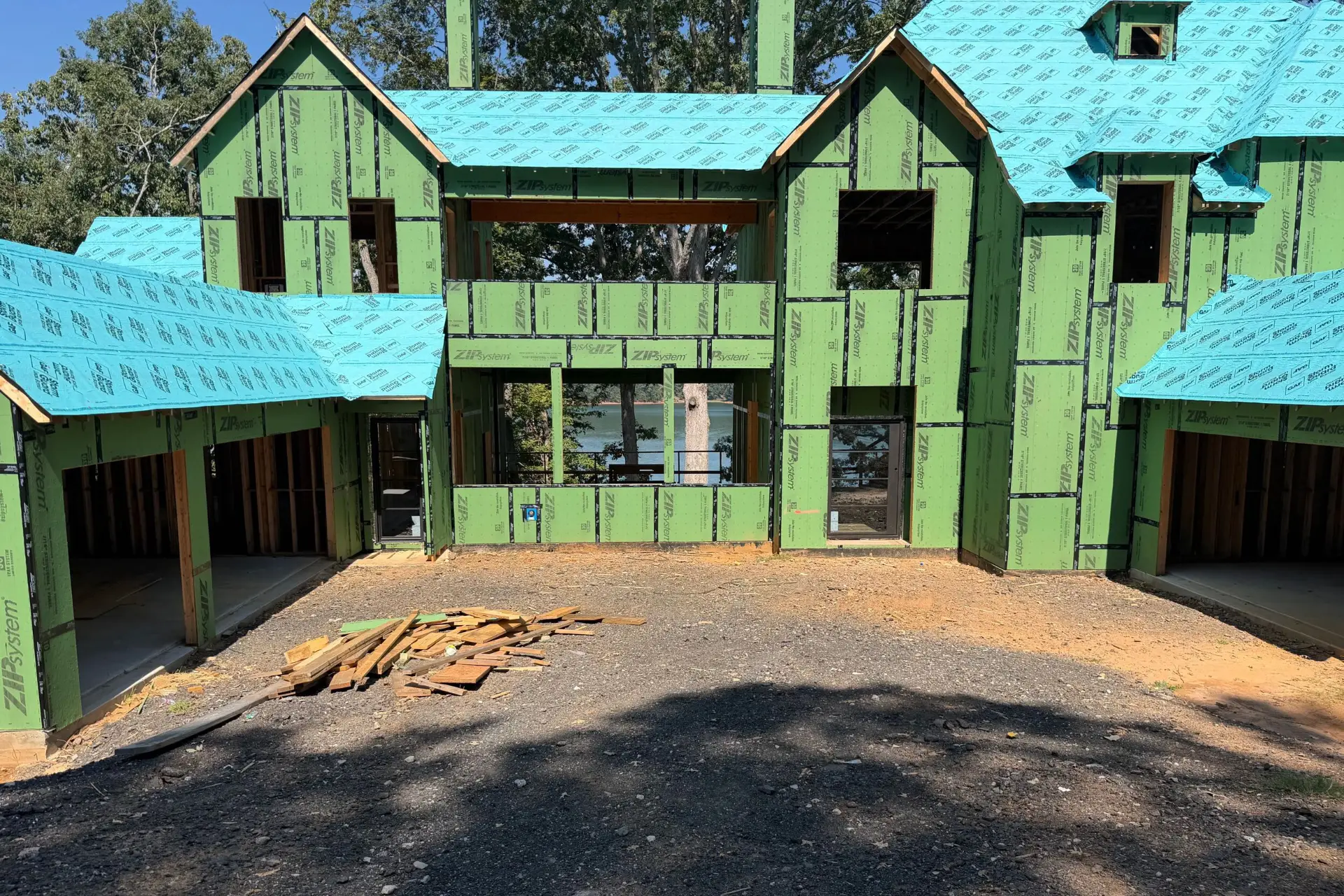
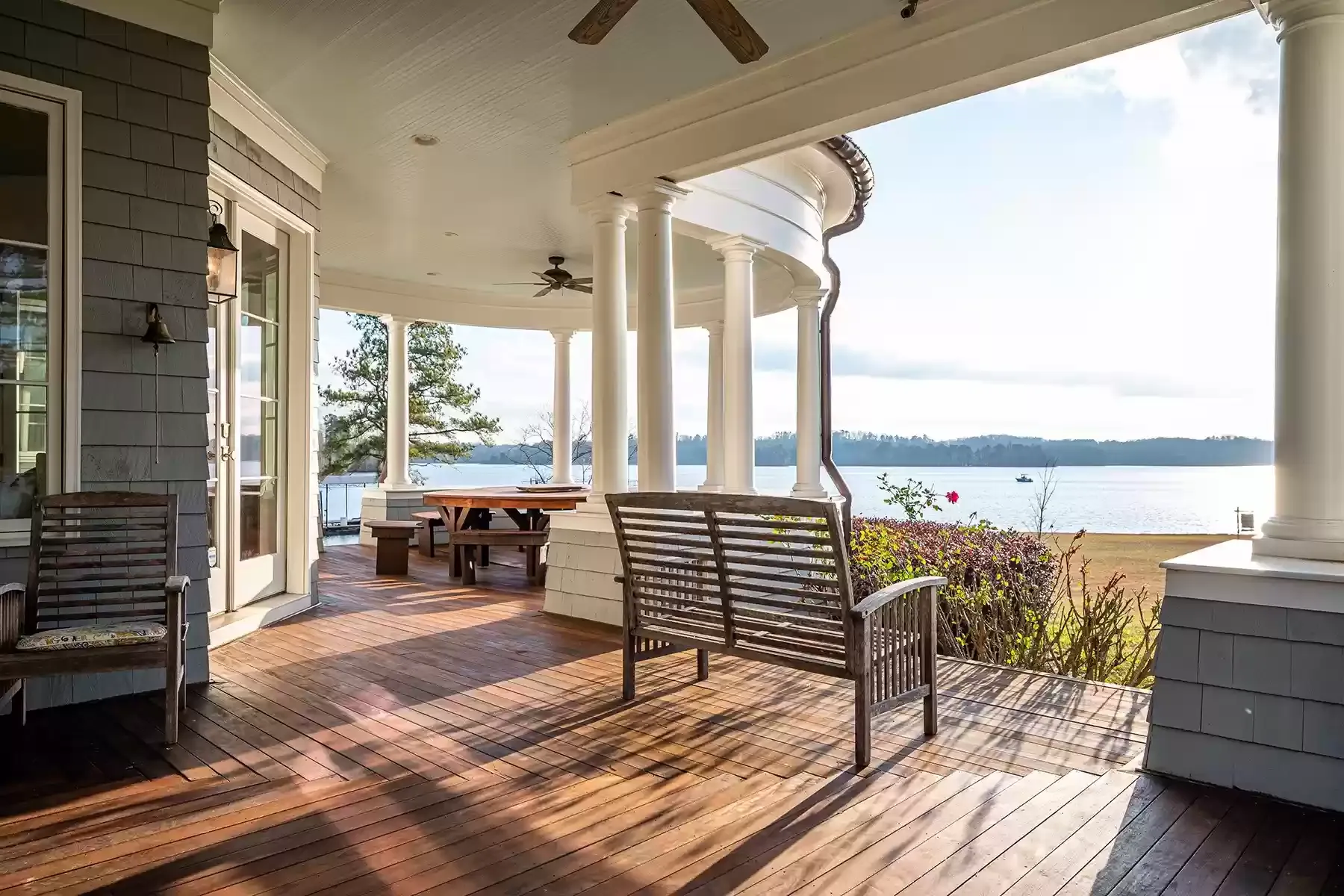
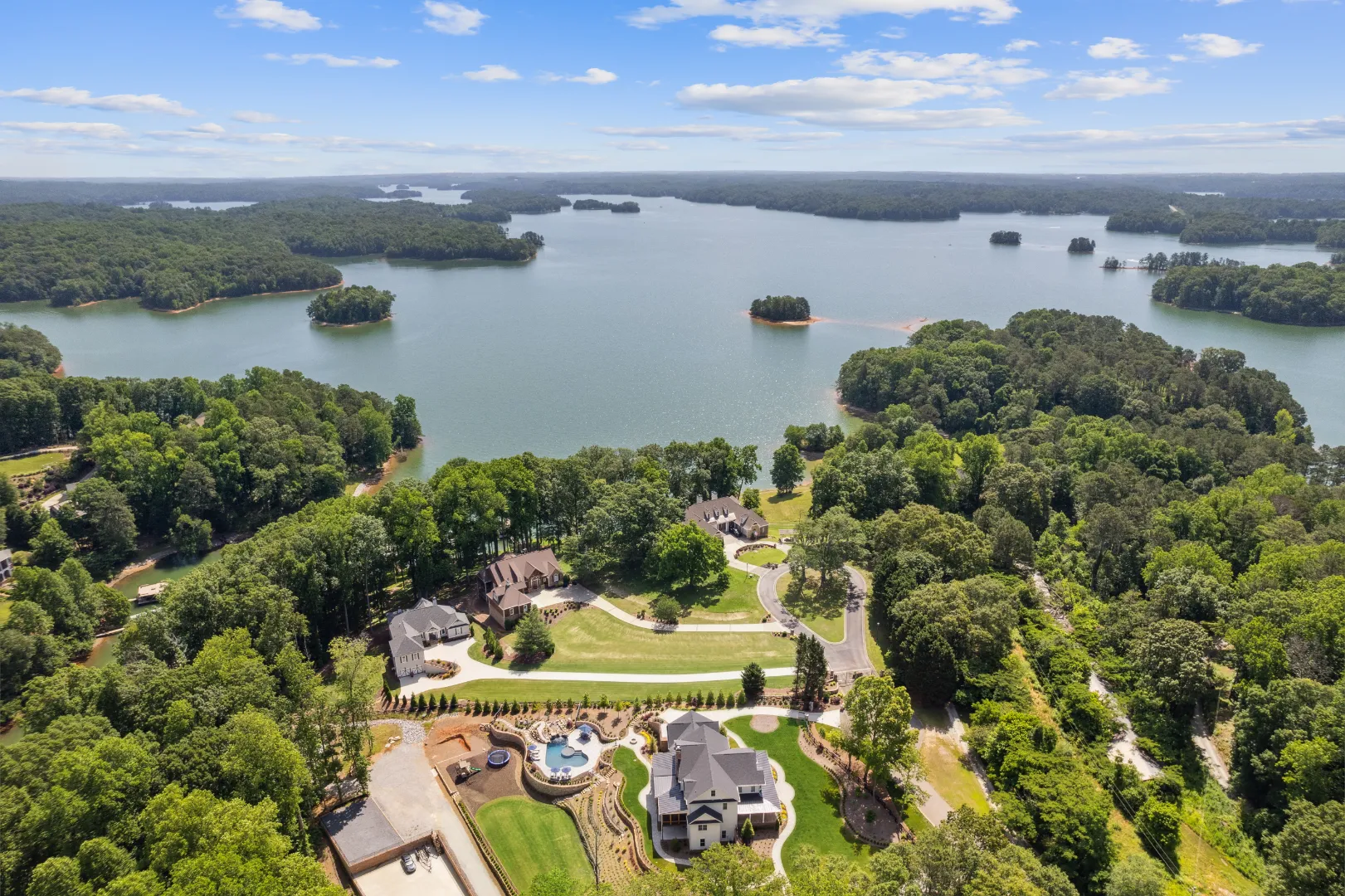
Building a custom luxury home on Lake Lanier is a dream for many homeowners drawn to the natural beauty of North Georgia. While building a lake home is incredibly rewarding, lakefront construction brings unique considerations that go far beyond those of a typical homesite. Federal regulations, fluctuating water levels, dock feasibility, flood zones, and the realities of daily lake living all influence how you approach the design and build process.
An experienced Lake Lanier custom home builder should help guide you through these considerations early, even before land is purchased or design decisions are finalized. Understanding these factors upfront can save time, money, and frustration while ensuring your home truly enhances life on the water. As an experienced custom home builder on Lake Lanier, we want to share key insights to help guide you through the process of building a luxury lake home.
Living on Lake Lanier offers a lifestyle that is difficult to replicate elsewhere in North Georgia. Homeowners are drawn to the lake for its scenic beauty, direct water access, recreational opportunities, and the sense of privacy and retreat it provides while still remaining close to metro Atlanta. Whether it is boating, fishing, entertaining friends at the dock, or simply enjoying peaceful water views, lake living creates a daily connection to the outdoors that enhances quality of life. The combination of natural surroundings and year round enjoyment is what makes the lake so appealing to families, retirees, and professionals alike. All of these factors combine to make building a custom home on Lake Lanier not just a lifestyle choice, but a long term investment in quality of life, enjoyment, and lasting value.
Lake Lanier also offers a wide range of location options, as the shoreline spans multiple cities and counties, each with its own character, zoning requirements, and development considerations. Custom homes can be built in areas throughout Hall County, Forsyth County, and Gwinnett County, with proximity to cities such as Gainesville, Buford, Flowery Branch, Cumming, and surrounding lake communities. Choosing where to build involves more than just views and water access, as local regulations, school districts, tax considerations, and shoreline classifications can vary significantly by location. An experienced Lake Lanier builder can help evaluate these factors early, ensuring the selected property aligns with both lifestyle goals and long term plans.
Lake Lanier is one of many lakes around the United States that is constructed and managed by the U.S. Army Corps of Engineers, meaning shoreline use, grading, vegetation, docks, and viewsheds are regulated at the federal level. These regulations directly affect what can be built, where the home can sit, and how the property interacts with the lake.
Before building on Lake Lanier, it is essential to choose a builder with firsthand lakefront experience who becomes a key part of your team from the start. A well connected and experienced builder can anticipate challenges several steps ahead and guide the project through each phase. That level of foresight often makes the difference between a smooth and successful build, a delayed and stressful process, or in the worst case, a project that fails altogether resulting in wasted time and money. In many cases, a well connected builder can also introduce you to a qualified realtor who understands the nuances of purchasing land on Lake Lanier, helping ensure the land acquisition process itself runs as smooth as possible from the beginning.
A qualified builder should help you:
Not every lakefront property on Lake Lanier is eligible for a private dock. Dock approval depends on factors such as shoreline classification, spacing requirements, environmental impact, and existing dock density. If a property already has an approved dock, the process is typically far more straightforward, especially if the dock needs to be rebuilt, than starting from scratch on a property without an existing structure.
Your builder should help:
Waiting until after construction begins to address dock feasibility can lead to costly redesigns or disappointing limitations.
Some properties end at the Corps boundary, while others include limited water access rights. If the property does not extend into the water, additional federal and local rules determine dock placement and length.
An experienced builder should already have established relationships with qualified dock contractors and work in coordination with your realtor to:
Lake Lanier is not a constant-level lake. Water levels fluctuate seasonally and during periods of drought or heavy rainfall. In shallow areas, the shoreline can move significantly over time.
A knowledgeable builder should:
These decisions directly influence construction costs, long-term risk, and the insurability of your home. An experienced builder helps evaluate floodplain data, historical water levels, and site-specific conditions to make informed determinations early in the planning process. By addressing these factors upfront, the builder can guide foundation design and elevation strategies that protect your investment, reduce future risk, and avoid costly surprises related to insurance or compliance.
Before finalizing plans, an experienced builder will assist with:
You may not have strong preferences for dock placement, home orientation, or shoreline use, but these aspects can significantly impact neighbors’ views and lake traffic patterns. That’s why they need careful consideration during the design of your lake home. A builder experienced on Lake Lanier understands how to balance your personal preferences with community norms, helping ensure a smoother permitting process and a harmonious relationship with neighbors.
With experience building lake homes on Lake Lanier, your builder should:
Lake Lanier is subject to periodic storms, strong winds, and shoreline debris movement, all of which require thoughtful planning beyond aesthetics alone. A knowledgeable builder will design for durability, safe shoreline access, and long-term maintenance. In the Southeastern United States, homes are already exposed to high humidity for much of the year, and building near a large body of water like Lake Lanier adds another layer of moisture-related challenges. A builder experienced in lakefront construction understands these conditions and will implement specific construction strategies and high-quality materials that enhance moisture management, protect the home’s durability, and support healthy indoor air quality over the long term.
Lake living brings you closer to nature, which means regularly encountering wildlife such as birds, deer, snakes, and coyotes, with occasional sightings of black bears in certain areas around Lake Lanier. It also requires added attention to safety, particularly for families with young children, as open water, docks, and fluctuating shorelines introduce risks that are not present in typical residential settings. Thoughtful site planning, fencing, lighting, and clearly defined access points can help create a safer environment without detracting from the natural beauty of lakefront living.
Builders should help homeowners think through:
Builders familiar with the lake should also help homeowners understand how boating traffic, recreation rules, and seasonal activity patterns may influence site planning and daily enjoyment.
Building a luxury home on Lake Lanier requires far more than architectural design. It requires local expertise, regulatory knowledge, and a building science-driven approach. From evaluating dock feasibility and floodplain requirements to understanding shoreline movement and lifestyle considerations, the right builder plays a critical role in guiding informed decisions and protecting your investment.
At Ensign Luxury Homes, we believe our responsibility goes beyond constructing a beautiful home. We help our clients navigate Lake Lanier’s unique conditions, coordinate with the right professionals, and make informed decisions early so their home works with the lake, not against it, for decades to come.